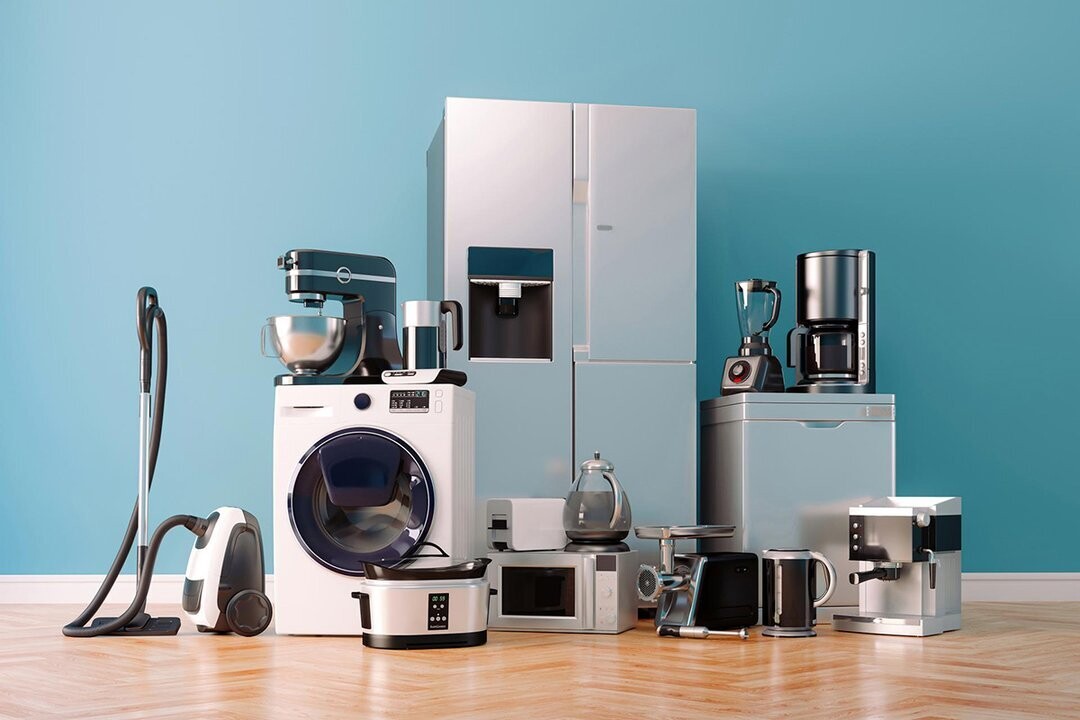
Buenos Aires, January 29 (NA) – Amid a market reporting several drops in consumption, a positive piece of data emerged: appliance sales closed the year with a 23% annual expansion. Thus, it was one of the most dynamic segments within durable goods. The increase occurred in a context marked by the opening of imports, greater product availability, and a sustained drop in prices, according to a NielsenIQ report. The categories of white goods and small appliances were the main drivers of growth, with an annual increase of 36%, well above the sector average. This result positioned appliances among the big winners of the year, in line with other durable goods markets such as cars and motorcycles. 2025 was a record year for sector imports, favored by the deregulation of foreign trade. This allowed for a significant expansion of the assortment and available volume, especially in categories that had been limited by import restrictions in previous years, sector sources indicated. Even the increase in supply led to deflation for several months, bringing historically low values and a drop in the relative price of appliances compared to the Consumer Price Index (CPI). How prices varied Between November 2025 and November 2024, refrigerators recorded a 39.5% drop in dollars and washing machines a 45% drop. In pesos, the declines were also significant: 10% and 18%, respectively. Layoffs due to a drop in local production The arrival of imported products impacted local production. Companies reduced their workforces and manufacturing volumes, as happened with Whirlpool, which shut down its washing machine plant in Pilar. Eduardo Echevarría, Market CS Manager at NielsenIQ, said that “the combination of greater supply, lower relative prices, and a more active consumer credit system generated a very favorable scenario for the sector's recovery”.